


Mobile Apps for Retail Stores
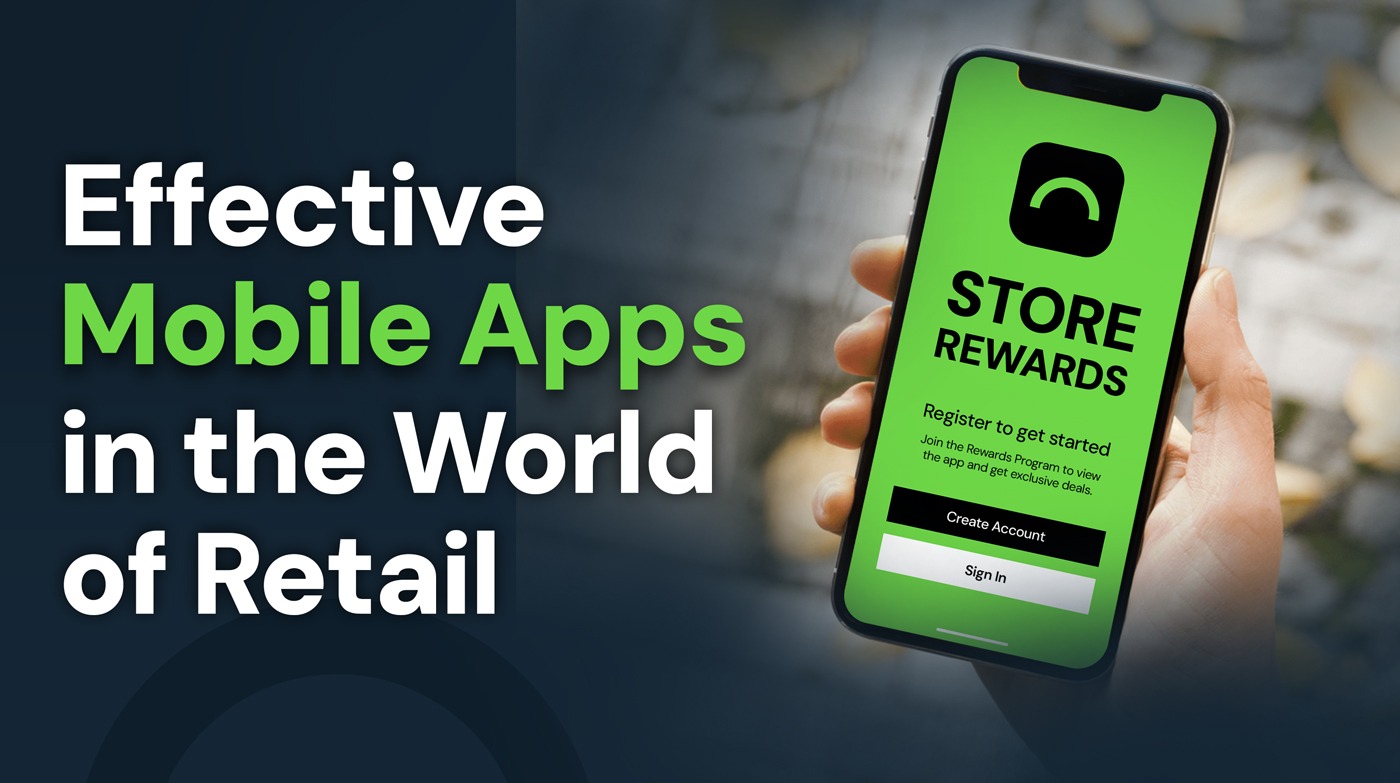
In today’s digital age, mobile apps have become indispensable tools for retail stores looking to enhance their customer engagement and sales. These apps offer a convenient way for consumers to browse products, make purchases, and stay updated with the latest offers. In this article, we will explore some common mobile apps used by retail stores and delve into some useful statistics surrounding their usage and effectiveness.
Benefits of Mobile Apps
Mobile apps offer a wide range of benefits for retail stores, including increased customer engagement, brand loyalty, and sales. They provide a direct channel for stores to communicate with their customers, send personalized offers, and gather valuable feedback.
Types of Mobile Apps
There are several types of mobile apps that retail stores can consider, including:
- E-commerce apps: These apps allow customers to browse products, add them to their cart, and make purchases directly from their mobile devices.
- Loyalty apps: These apps reward customers for their repeat business, encouraging them to make more purchases and stay loyal to the brand.
- Augmented Reality (AR) apps: AR apps allow customers to visualize products in their own space before making a purchase, enhancing their shopping experience.
Useful Stats about Mobile Apps
Adoption Rates
According to recent studies, the adoption of mobile apps by retail stores has been steadily increasing. In 2020, the number of retail apps downloaded worldwide reached 5.7 billion, a 20% increase from the previous year.
Revenue Generation
Mobile apps have proven to be a lucrative channel for retail stores. In 2020, global retail app revenue reached $111 billion, with projections indicating further growth in the coming years.
Customer Engagement
Mobile apps are highly effective in engaging customers. Studies show that customers who use a retail app are more likely to make a purchase compared to those who do not. Additionally, apps that offer personalized recommendations see a higher engagement rate.
Case Studies
Successful Implementation Examples
- Amazon: Amazon’s mobile app offers a seamless shopping experience, with features such as one-click purchasing and personalized recommendations.
- Target: Target’s app includes features like in-store mapping and real-time inventory updates, enhancing the customer’s shopping experience.
Tips for Developing a Mobile App
When developing a mobile app for a retail store, it’s important to consider factors such as user experience, design, and functionality. Here are some tips:
- Keep the app simple and user-friendly.
- Include features that add value to the customer, such as personalized recommendations and easy checkout.
- Regularly update the app to fix bugs and introduce new features based on customer feedback.
Conclusion
Mobile apps have revolutionized the way retail stores engage with their customers and drive sales. By offering a convenient and personalized shopping experience, these apps have become essential tools for retailers looking to stay competitive in the digital marketplace.