
Headless Commerce Development Services
Headless commerce separates the customer-facing storefront from the commerce platform behind it, giving businesses more control over frontend experiences while keeping core commerce operations in the backend.
Forix plans, builds, integrates, and supports headless storefronts across Magento and Adobe Commerce, Shopify, and BigCommerce. We help determine when a headless architecture makes sense, what systems need to connect, and how the storefront should be built and maintained.
What you’ll get with our headless commerce services:
- Headless Commerce Strategy
- Custom Storefront Development
- Commerce API Integration
- UX & Frontend Development
- Performance & Technical SEO
- Ongoing Development & Support
From architecture and platform selection to integrations and storefront development, Forix helps businesses build headless commerce environments around their technical and operational requirements.
Headless Commerce Development Services
Headless Commerce Starts With the Right Architecture
Headless or Traditional: Headless commerce can provide greater frontend flexibility, but it also introduces additional development, hosting, integration, and maintenance responsibilities. We start by determining whether those trade-offs are justified by your requirements.
Architecture & Strategy: The right architecture depends on your storefront experience, commerce platform, content needs, integrations, internal technical resources, and how frequently the frontend needs to evolve.
Platform Expertise: Forix works across Magento and Adobe Commerce, Shopify, BigCommerce, and custom ecommerce environments. That cross-platform experience helps us evaluate the architecture around your requirements rather than forcing every project into the same technology stack.
When flexibility matters most, brands turn to Forix to lead the way.
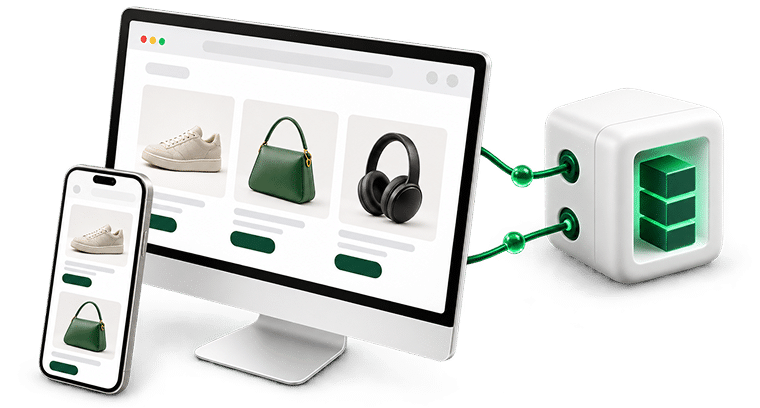
A headless build affects more than the storefront. Commerce APIs, content, search,
integrations, hosting, analytics, checkout, and ongoing development all need to work
together.
Forix helps plan and implement the full architecture so the frontend experience and
backend commerce systems operate as one coordinated environment.
Headless architecture should solve a real business or technical constraint, not add complexity without a clear benefit.
- Headless Commerce Discovery
- Architecture Planning
- Platform & Technology Evaluation
- Frontend Framework Planning
- Commerce API Strategy
- Integration & Data-Flow Planning
Build the frontend around the platform and commerce capabilities your business already depends on.
- Magento & Adobe Commerce Headless
- Shopify Headless
- BigCommerce Headless
- Custom Storefront Development
- Progressive Web Applications
- Composable Commerce Architecture
Headless storefronts often depend on multiple systems working together through APIs and integration layers.
- ERP Integrations
- CRM Integrations
- PIM Integrations
- CMS Integrations
- Search & Merchandising Integrations
- 3PL & Fulfillment Integrations
When a standard theme or storefront framework cannot support the experience you need, Forix can build custom frontend functionality around your commerce APIs and business requirements.
- Custom Storefront Components
- Product Discovery Experiences
- Account & Customer Experiences
- Custom Commerce Workflows
- API-Driven Features
- Third-Party Frontend Integrations
A headless architecture gives the frontend more flexibility, but the experience still needs to be intuitive, fast, and designed around how customers shop.
- Creative Direction
- Visual Design
- UX Enhancements
- Design Systems
- Mobile Experience
- Content & Commerce Experience Design
Headless architecture creates more frontend control, but performance and SEO depend on how the storefront is rendered, routed, cached, indexed, and maintained.
- Technical SEO Planning
- Rendering & Indexation Review
- Core Web Vitals Optimization
- Performance Audits
- URL & Redirect Planning
- Analytics & Tracking Implementation
Moving to headless commerce requires coordination across the storefront, commerce platform, integrations, content, analytics, and launch process.
- New Headless Storefront Builds
- Traditional-to-Headless Migration
- Storefront Replatforming
- CMS & Content Migration
- Integration Migration
- Launch & Cutover Planning
A headless storefront requires ongoing coordination between the frontend, commerce platform, APIs, integrations, and supporting services.
- Frontend Updates & Enhancements
- API & Integration Support
- Performance Monitoring
- Platform Upgrade Support
- Technical SEO Maintenance
- Ongoing Development
Headless commerce can be a strong fit when your storefront requirements exceed what a standard theme-based implementation can efficiently support.
- Highly Customized Storefront Experiences
- Multiple Frontends Sharing Commerce Services
- Complex Content & Commerce Requirements
- API-Driven Commerce Architecture
- Specialized Integration Requirements
- Teams With Ongoing Development Resources
A traditional storefront may be the better choice when the business does not need the additional flexibility or cannot support the added technical ownership.
- Standard Theme Functionality Meets the Requirements
- Faster Initial Deployment Is the Priority
- Development Resources Are Limited
- Integration Needs Are Relatively Simple
- Lower Ongoing Technical Complexity Is Preferred
- The Business Case for Decoupling Is Not Clear
Your Success Is Our Success
Explore more ecommerce projects and measurable results from Forix.

198%
Conversion increase

32%
Transaction increase

30%
Time on site increase

28%
Conversion increase

92%
Revenue increase

87%
Engagement increase


