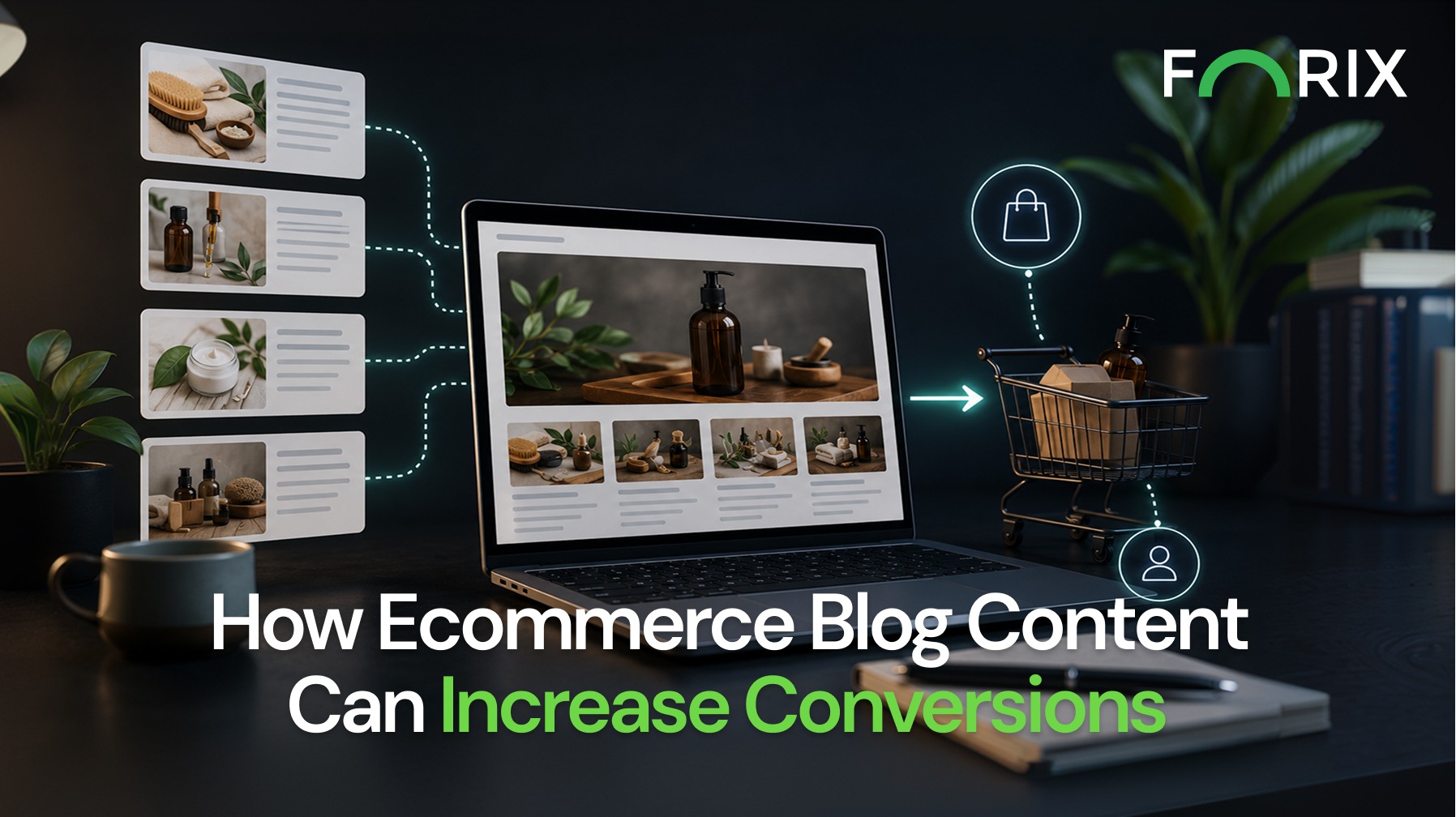
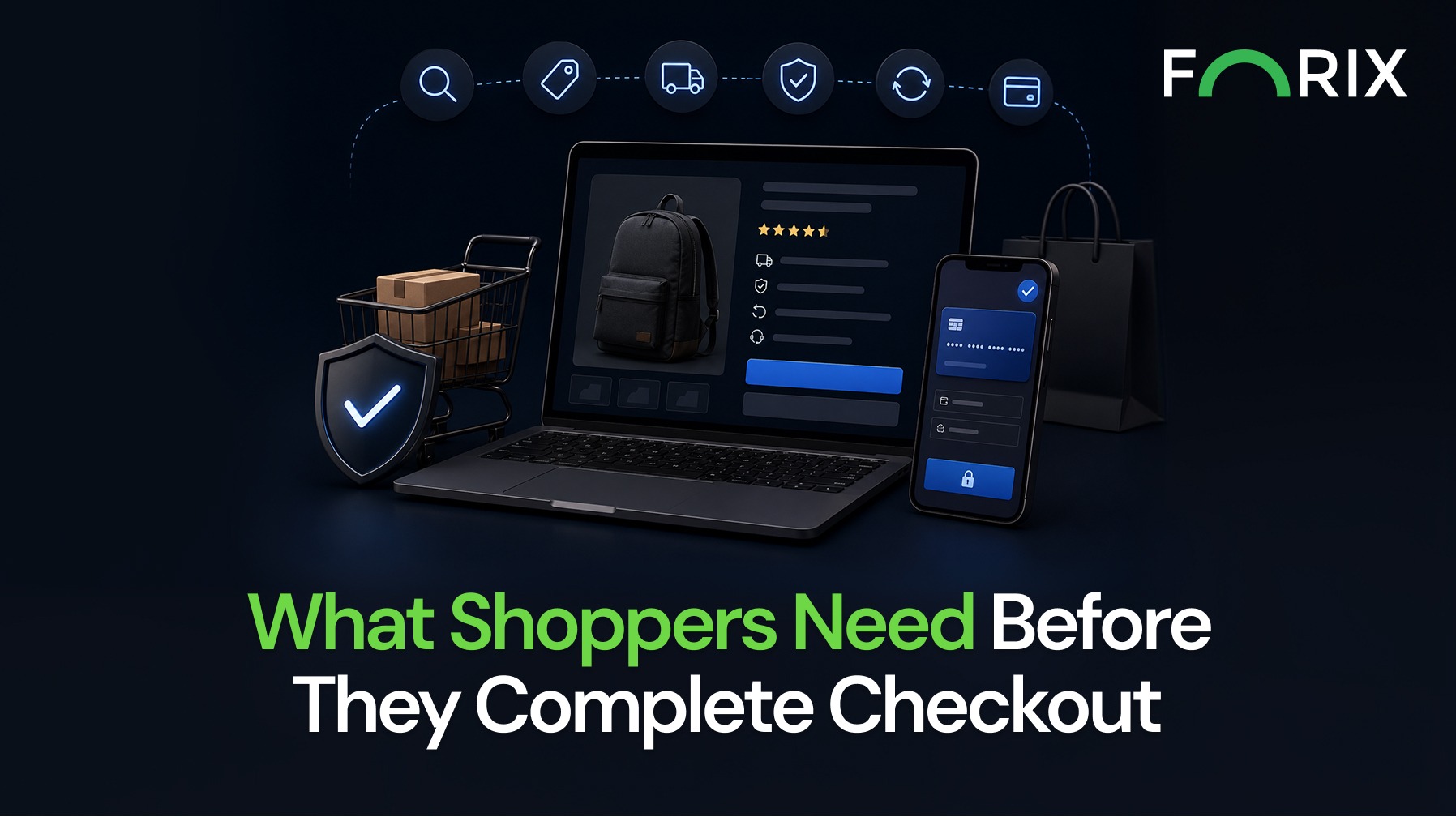
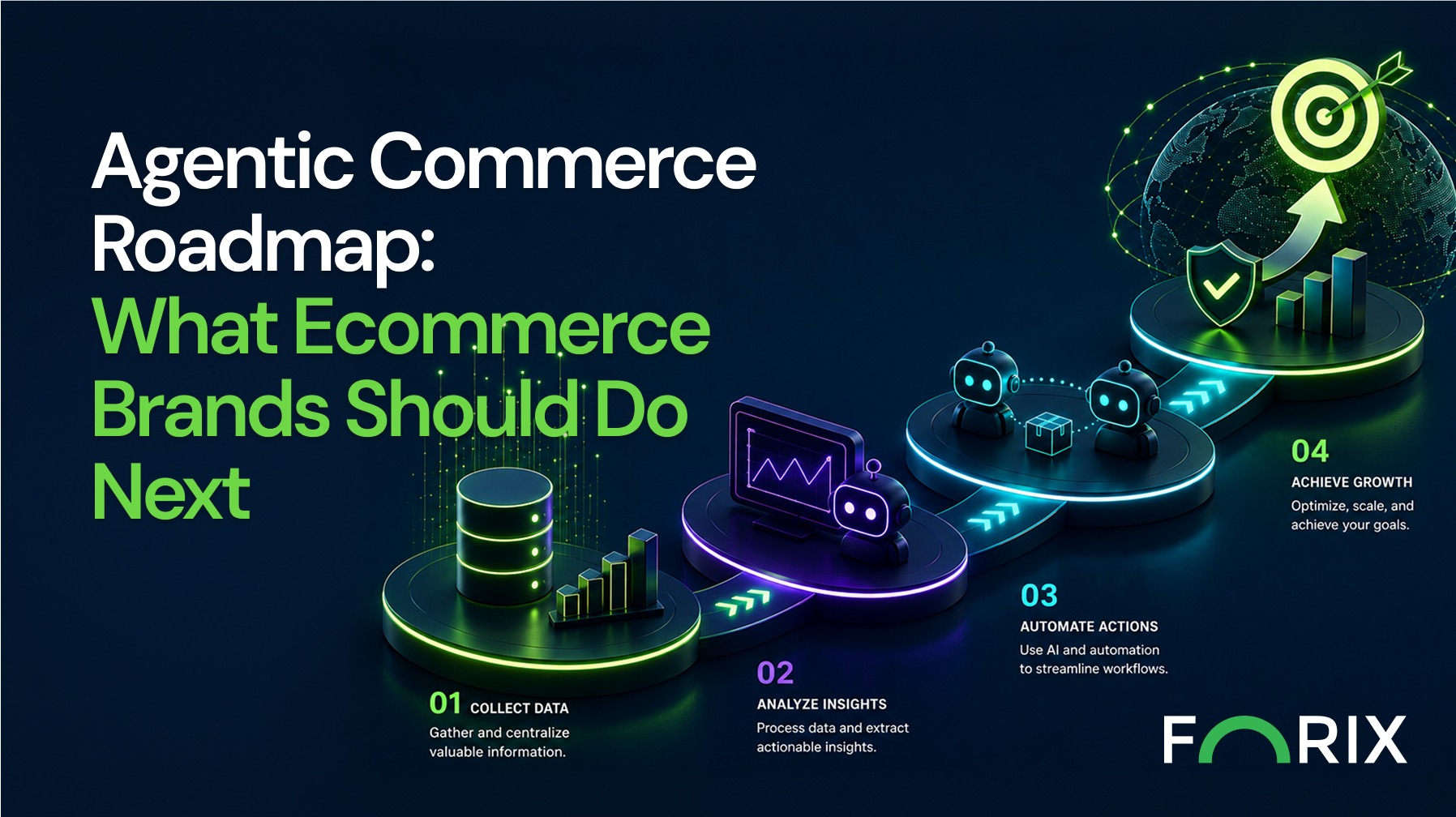
For many eCommerce brands, blog content is treated mainly as an SEO tool. It helps attract organic traffic, build keyword visibility, and bring new shoppers to the site. But strong ecommerce blog content can do more than drive visits. It can also help increase conversions.
Shoppers rarely move from first visit to purchase without questions. They compare products, evaluate options, look for proof, and search for guidance before they buy. Blog content supports that decision-making process by giving customers the clarity and confidence they need to take the next step.
Conversion rate optimization is not limited to product pages, cart drawers, and checkout forms. CRO also includes the earlier moments when shoppers build confidence before deciding to buy.
Blog content can reduce hesitation by answering important questions earlier in the customer journey. A helpful article can explain how to choose the right product, compare options, solve a common problem, or show how a product fits a shopper’s needs.
When blog content is planned with conversion in mind, it supports both traffic and revenue. It helps shoppers trust the brand before they arrive on a product page.
Educating Shoppers Before They Buy
A shopper who understands the product is more likely to convert. Blog content gives Shopify brands room to explain benefits, use cases, comparisons, and buying considerations in more detail than a product page can.
This may include:
Buying guides for specific product categories
Product comparison articles
Use-case explanations
Size, fit, or compatibility guidance
Answers to common pre-purchase questions
The goal is to help shoppers feel informed before they make a purchase decision.
Building Trust Through Expertise
Trust plays a major role in conversion. Customers want to know that the brand understands their needs and can deliver on its promises.
Blog content helps establish that trust by demonstrating expertise. When a Shopify store consistently publishes useful, specific, and accurate content, it gives shoppers more confidence in the brand behind the products.
This is especially important for higher-consideration purchases. If shoppers are comparing multiple brands, the brand that offers clearer guidance often feels more credible.
Trust-building content may include:
Expert advice
Product education
Customer stories
Industry insights
Answers to common objections
Connecting Blog Content to Product Discovery
Blog content should not sit separately from the shopping experience. To support conversions, articles need clear pathways to relevant products, collections, or services.
For Shopify brands, this means connecting content and commerce in a way that feels helpful, not forced. A blog article should naturally guide shoppers toward the next step when they are ready.
Effective product discovery elements may include:
Links to relevant product detail pages
Links to collection pages
Product recommendation modules
Internal links to related guides
Calls to action based on shopper intent
The goal is not to turn every paragraph into a sales pitch. The goal is to make the next step clear. Content should support the purchase path without interrupting the educational experience.
Answering Objections Before Checkout
Many shoppers hesitate because they still have unanswered questions. Blog content can address those objections before they create friction later in the journey.
Common objections include:
Whether the product is right for the shopper
Whether the price is worth it
How the product compares to another option
When the product will arrive
Whether the brand can be trusted
When Shopify brands answer these questions through helpful content, they reduce uncertainty before shoppers reach checkout.
For CRO, this matters because conversion is not only about making checkout faster. It is also about making the purchase decision easier.
Using Blog Data to Improve CRO Strategy
Blog performance can reveal valuable conversion insights. Shopify brands should review which articles attract qualified traffic, which internal links drive product views, and which content paths lead to purchases.
Important signals include:
Blog traffic by topic
Product clicks from blog pages
Assisted conversions
Scroll depth
Engagement rate
Exit rate
These insights can help brands understand what customers care about before they buy. They can also shape future CRO tests, product page updates, FAQ improvements, and merchandising strategies.
Conclusion
Ecommerce blog content can increase conversions when it does more than attract visitors. It should educate shoppers, build trust, answer objections, and connect readers to the right products at the right time.
For Shopify brands, the opportunity is to turn content into a stronger part of the conversion journey. When blog strategy and CRO work together, shoppers get the clarity they need to make better buying decisions.
Forix helps ecommerce retailers improve performance through strategic CRO, Shopify optimization, and ongoing support. If your blog brings in traffic but does not support revenue growth, the Forix team can help identify the content opportunities that move shoppers closer to purchase.
How can eCommerce blog content increase conversions?
Ecommerce blog content can increase conversions by educating shoppers, answering purchase questions, reducing uncertainty, and guiding readers toward relevant products or collections.
What types of blog content work best for Shopify CRO?
Buying guides, product comparisons, how-to articles, use case content, seasonal guides, and category education can all support Shopify CRO when they connect clearly to the shopping journey.
Should Shopify blog posts include product links?
Yes. Product links can help readers take the next step, but they should be relevant and placed naturally. The article should remain helpful, not overly promotional.
How do you measure whether blog content supports conversions?
Retailers can review assisted conversions, product page clicks, engagement metrics, internal link performance, scroll depth, and revenue influenced by blog traffic.
Why should blog content be part of a CRO strategy?
Blog content influences shopper confidence before the product page or checkout. When content answers key questions and supports product discovery, it can reduce friction and improve conversion performance.
From flat sales to explosive sales growth - here's what happens when you partner with Forix
Partnering with Forix was hands down the best decision I’ve made for my store. The
redesign completely
transformed my site — it looks like a million dollars, yet I paid only a fraction of
what I expected.
Even better, sales started climbing almost immediately. Their process was simple,
transparent, and
focused on results. I only wish I had done it sooner.
Sarah Mitchell,Owner
“The free website report from Forix opened our eyes to issues we didn’t even know were costing us sales. The recommendations were clear, actionable, and backed by data. After implementing just a few of their suggestions, we saw a noticeable lift in conversions within weeks. Forix didn’t just give us a report—they gave us a roadmap to growth.”
Lena Hoffman, Director of eCommerce
“The redesign was exactly what my business needed. Clean, mobile-friendly, and conversion-focused. Sales are up 35% since launch.”
Ethan Carter, Founder
“Forix made our Magento to Shopify migration completely stress-free. Every product, customer record, and integration was moved accurately, and the new store’s design is sleek and user-friendly. Our team can now focus on growing sales instead of worrying about technical issues.”
Emily Rivera, Head of Digital Operations
198%
Conversion increase
32%
Transaction increase
30%
Time on site increase
28%
Conversion increase
92%
Revenue increase
87%
Engagement increase
Ready to See the Difference?
Your next big sales boost could start with our free website report. Let us show you the
untapped
potential in your store.
Complete the form below and our team will reach out to get started.
Thank you!
We’ve received your request for a free website report. Our team will be in touch shortly to gather a few details so we can begin your site analysis.
Click Here To
Get My Free Website Report Now
Claim Your FREE Webpage Design and Sell More ASAP
Complete the form below and our team will reach out to get started.
Thank you!
We’ve received your request for a free webpage design. Our team will be in touch shortly to gather a few details so we can begin your page redesign.
Click Here To
Get My Free Webpage Design Now
Claim Your FREE Migration Assessment and Sell More ASAP
Complete the form below and our team will reach out to get started.
Thank you!
We’ve received your request for a free Magento-to-Shopify migration assessment. Our team will be in touch shortly to gather a few details so we can begin building your comprehensive migration plan.
Click Here To
Get My Free Migration Assessment Now
Claim Your FREE Site Report and Sell More ASAP (a $2,000 value).
Complete the form below and our team will reach out to get started.
Thank you!
We’ve received your request for a free website report. Our team will be in touch shortly to gather a few details so we can begin your site analysis.